-

Protected: Photobiomodulation study written by AI
•
There is no excerpt because this is a protected post.
-
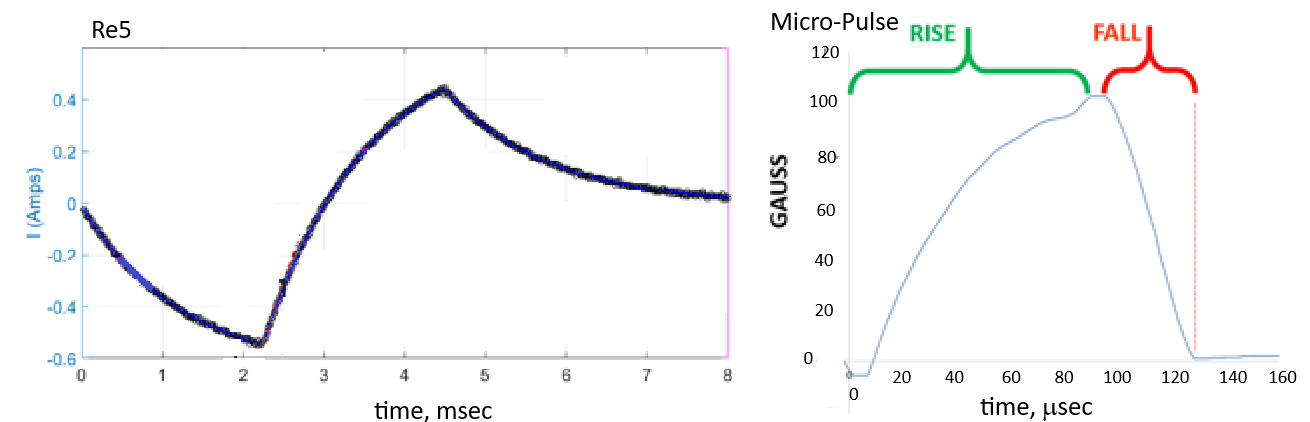
ICES traumatic brain injury
This post combines the preclinical results from a US company called Micro-Pulse and a very biophysical “letter to the editor” by a Danish company called Re5. The featured image of this post is a MicroPulse ICES waveform and one from Re5 supplemental data referenced in this post. It is assumed that the rise time…
-
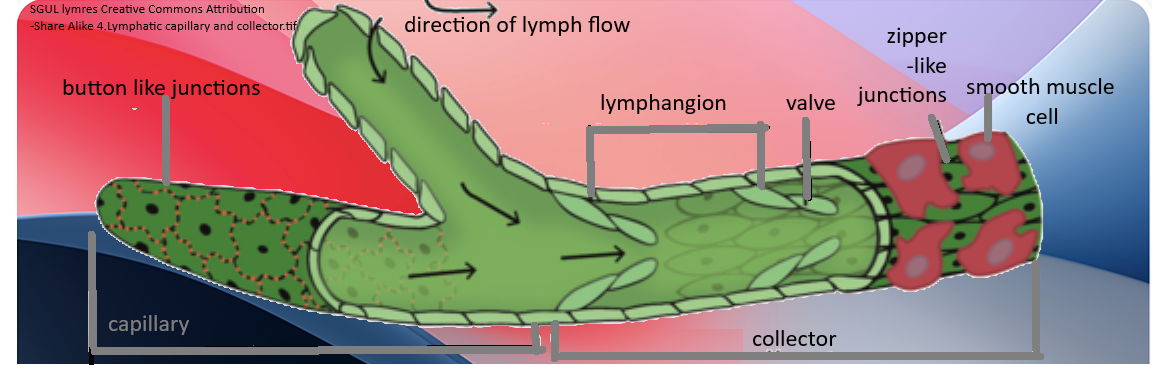
near infrared and lymphatic vessels
The essence of this post is that 1267 nm near infrared light (NIR)activates clearance of particles from mouse brains via the generation of the weakly reactive oxygen species singlet oxygen. This model is consistent with what we know about lymphatic vessel pulsing and singlet oxygen modifications to contractile proteins. The bigger question is if…
-
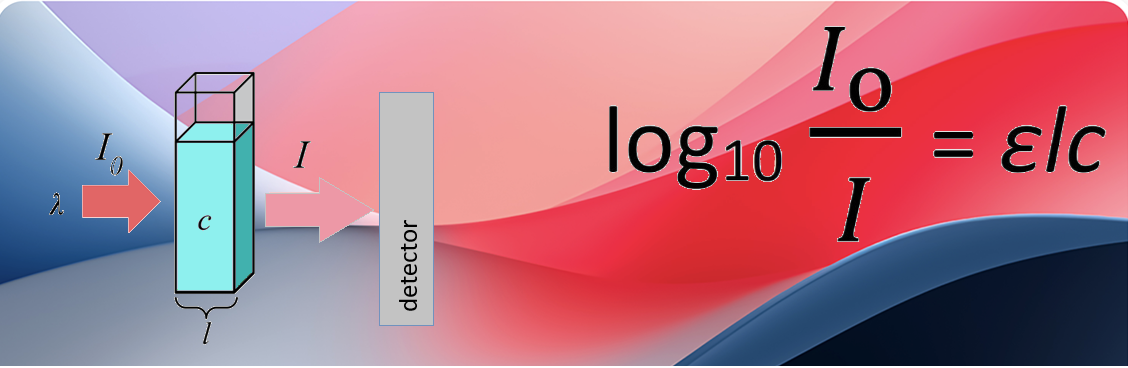
Transcranial red light
This post is a sister post to red light for depression, which asserts that red and NIR light help alleviate depression by increasing blood flow and functional connectivity. This post focuses on a theoretical study of Bhattacharya & Dutta 2019 exploring what it means to absorb red and near infrared (NIR) light. These authors…
-
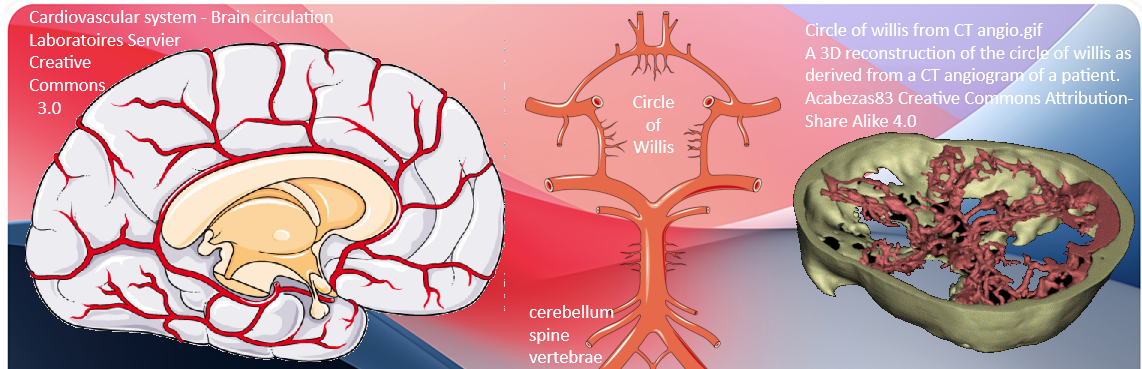
red light and cerebral blood flow and depression
Red and near infrared photobiomodulation are good for depression? Enhancement of cytochrome C oxidase activity in the mitochondria is addressed in a round about way in the transcranial red light post. Red light may simply improve blood flow to the depressed brain via the release of nitric oxide. Some reports suggest the nitric oxide…