-
PEMF and the vagus nerve
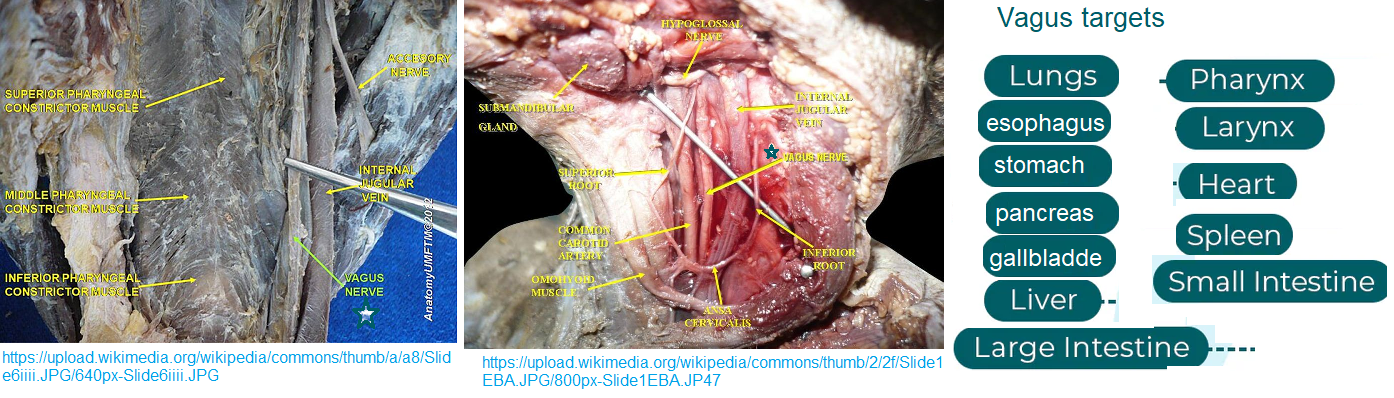
This post takes the Devil’s Advocate position that many of the PEMF devices on the market specifically for vagus nerve stimulation might not be stimulating the nerve directly but rather, hypothetically, clearing away toxins from un-stirred regions around the nerve itself. The featured images of the vagus nerve from a human cadaver bring home…
-
Cry2 and transcranial magnetic stimulation
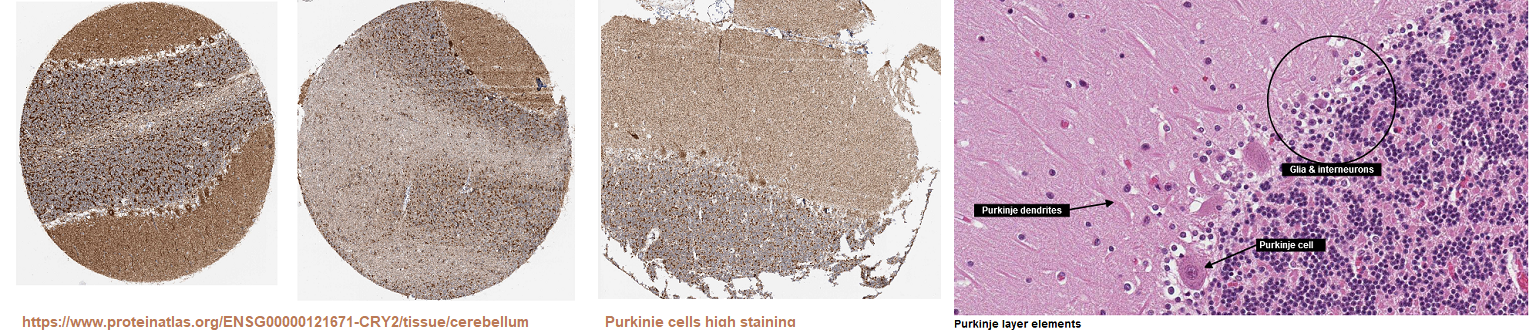
Most of this post is about work by Dr Rachel Sherrrard’s group at Sorbonne Université in Paris France and collaborators from around the world. The featured image is from Protein Atlas showing Cry2 staining in the cerebellum. The very obviously striated staining for Cry2 in the cerebellum and long with biochemical proof of Cry2 involvement…
-
NeuroEM for Alzheimer’s
This post explores a “mechanistic” mouse study of NeuroEM’s device for treating Alzheimer’s Disease. [1] It should be noted that the Assisi radio frequency PEMF device was designed to target the Ca2+ calmodulin interaction. The Neuro EM device appears to target complex IV of the mitochondrial electron transport chain. A diurnal component of very…
-
Re5 Transcranial PEMF
This post reviews two trans cranial PEMF devices used in the literature: the Re5 uses very low frequency PEMF to treat Parkinson’s Disease and the NeuroEM uses radio/microwave EMF to treat Alzheimer’s Disease. The former acts by increasing EPO in the CSF. The latter increases cognitive and mitochondria performance while decreasing Aβ aggrefation.
-
electrical stimulation and hind limb unloading
Many PEMF practitioners use PEMF when an animal, including humans, has an injured limb and loss of use of the associated skeletal muscle. Some may argue that PEMF resembles electrical stimulation via Faraday’s Law of Induction. PEMF seems to act on the ERK signaling cascade in cultured myoblasts. [1] Electrical muscle stimulation in a…