-
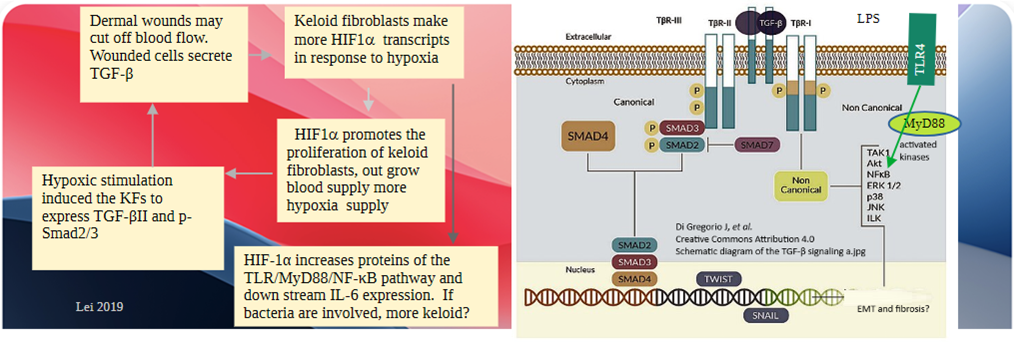
Red Light and fibrosis
The featured image was adapted from the study of Lei 2019 who addressed the “feed forward” synergy between TGFβ and hypoxia inducible factor alpha (HIFα). The authors were interested in why these scars grow so out of control and exceed the expected margins of the wound. It all has to do with gene transcription…
-
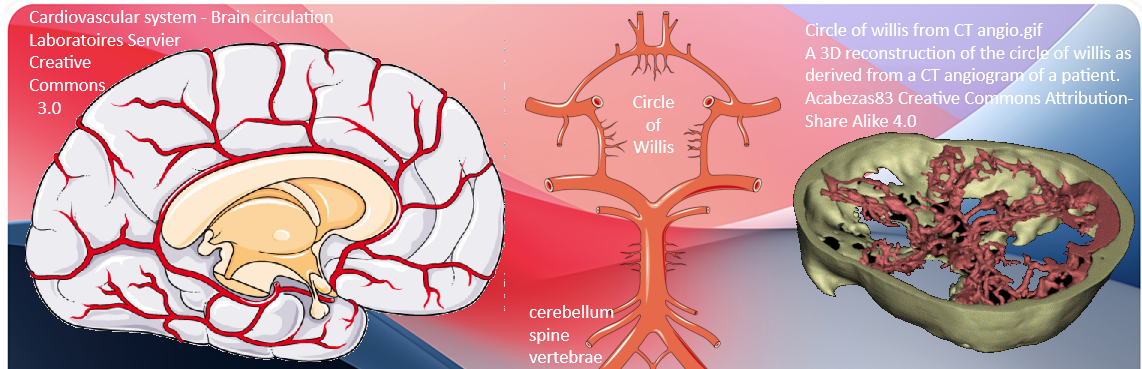
red light and cerebral blood flow and depression
Red and near infrared photobiomodulation are good for depression? Enhancement of cytochrome C oxidase activity in the mitochondria is addressed in a round about way in the transcranial red light post. Red light may simply improve blood flow to the depressed brain via the release of nitric oxide. Some reports suggest the nitric oxide…
-
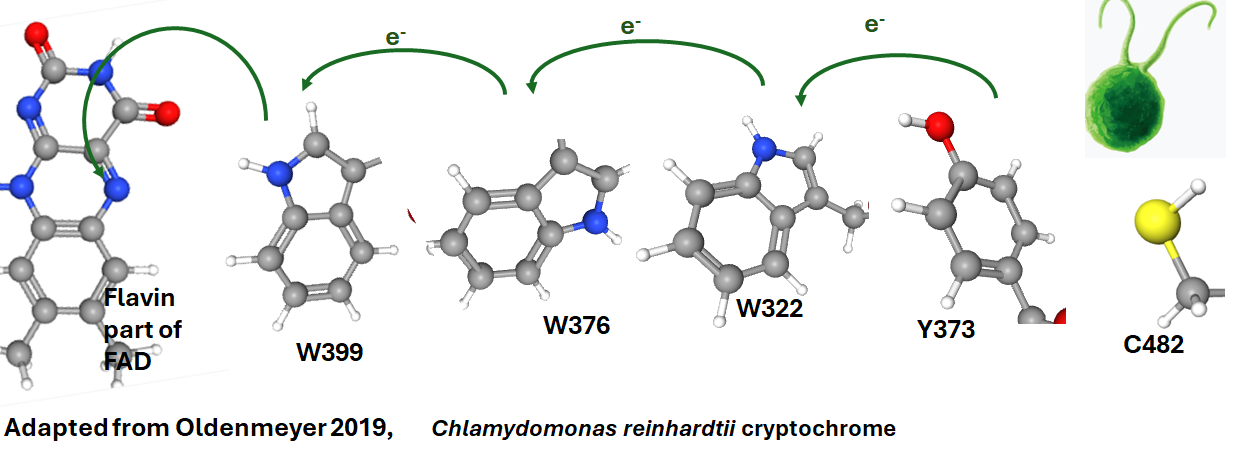
Cryptochrome and Red Biophotons
The goal of this post was to address the issue of biophotons as they relate to the game changing PEMF company QuantumTx. It is becoming evident that light absorbing cryptochromes play an important role in this therapy. Indeed, cryptochromes are also magnetic field sensors. The concept of biophotons has been proposed as a PEMF…
-
Red light and myopia
Myopia, also near nearsightedness because the afflicted individual sees near objects but has issues with far away objects, has been reviewed on Wikipedia. Wikipedia authors attribute the main factors as increased length of the eyeball and/or changes in the refractive index of the cornea. A few publications were found demonstrating that red light used to treat…
-

Red Light and mitocondria
Right light therapy is said to target cytochrome C oxidase, complex IV, of the mitochondria. Most complexes of the mitochondria contain functional groups that absorb one wavelength of visible light or another. Absorption of light may translate into increased membrane potential, which translates into more ATP. This post introduces the role of ATP in…