-
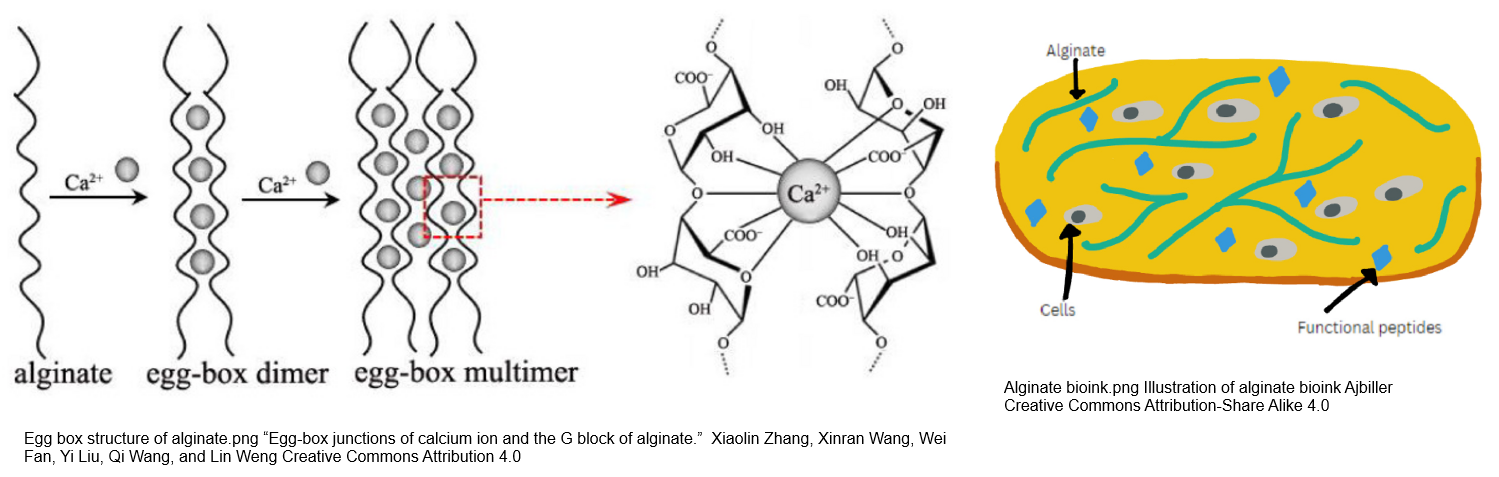
Alginate binding “heavy metals”
This post explores alginates binding to different elementals from alkali earth cations to heavy metals.
-
PEMF and alginate
Calcium alginate gels are used extensively for dermal wound healing. This post includes excerpts from three vendors’ websites. PEMF is also used for wound healing. Could the two work together? I could not find any peer reviewed publications that I really liked. The structures I found for “egg box” Ca2+ alginate reminded me of…
-
ICES traumatic brain injury
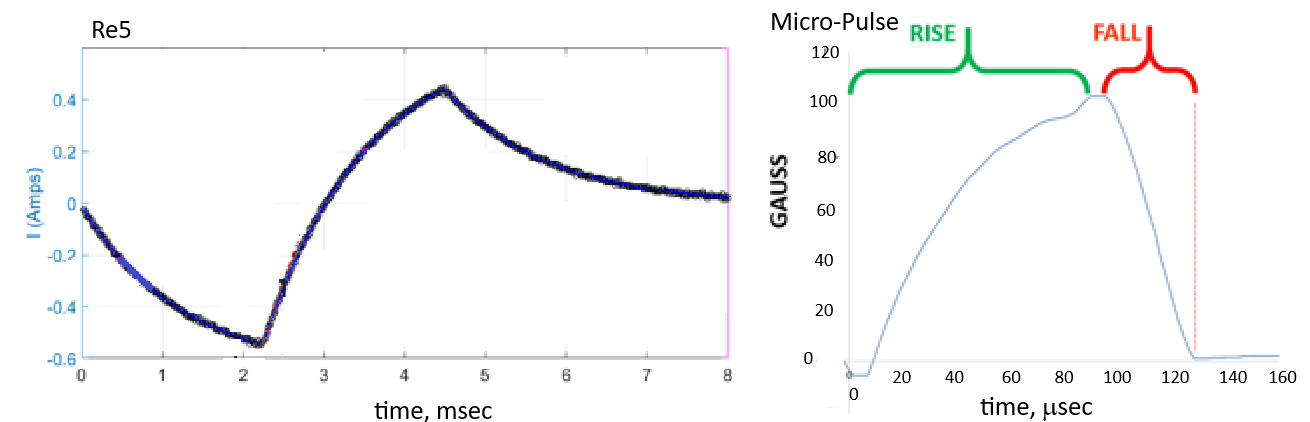
This post combines the preclinical results from a US company called Micro-Pulse and a very biophysical “letter to the editor” by a Danish company called Re5. The featured image of this post is a MicroPulse ICES waveform and one from Re5 supplemental data referenced in this post. It is assumed that the rise time…
-
Singlet oxygen
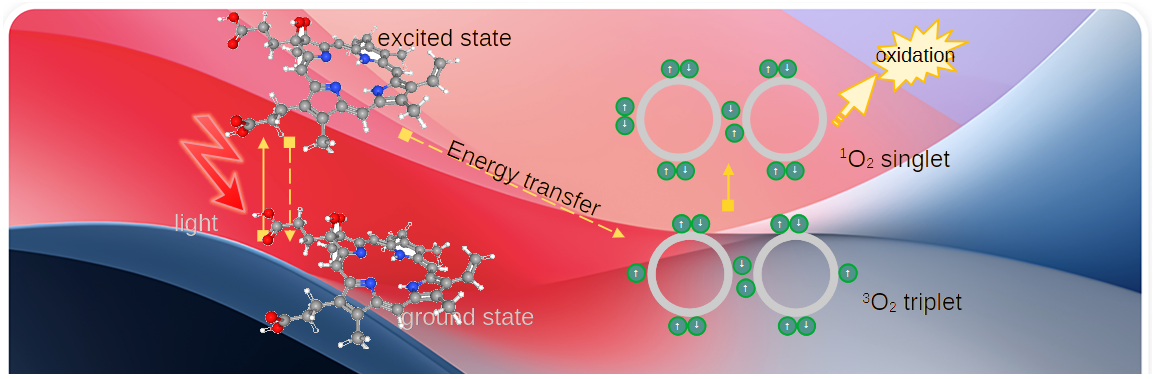
This is not a “feel good” post. Photodynamic therapy, photobiomodulation, can produce singlet oxygen. Just a little of a good thing can be healing. Over a certain threshold can lead to cell death. Three review articles have been shown to illustrate this phenomenon of why this is so. One thing that sets Red Light…
-
Transcranial red light
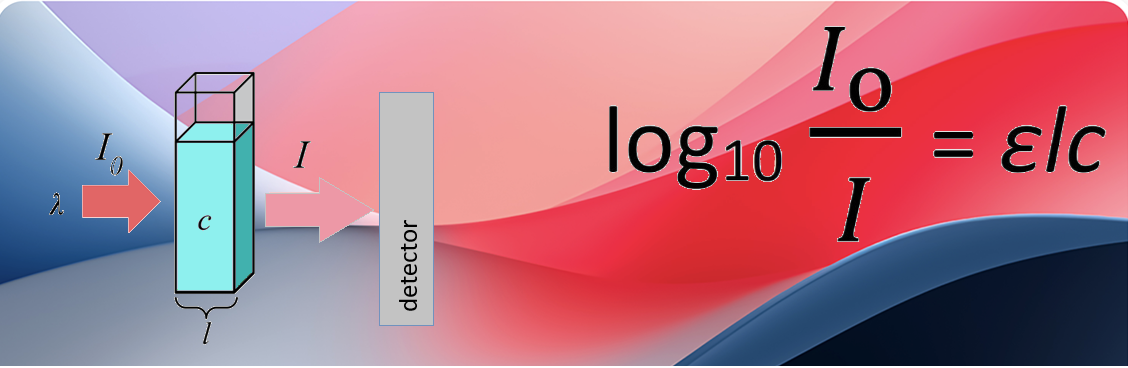
This post is a sister post to red light for depression, which asserts that red and NIR light help alleviate depression by increasing blood flow and functional connectivity. This post focuses on a theoretical study of Bhattacharya & Dutta 2019 exploring what it means to absorb red and near infrared (NIR) light. These authors…