-

PEMF and diabetic foot ulcers
The published clinical trials for use of PEMF to treat diabetic foot ulcers are somewhat promising but not really there to prove a mechanism of action. WikiMedia Commons images of diabetic foot ulcers are featured at the top of this post to give impression that this is a horrifying condition. Wikipedia authors have created…
-
Cry2 and transcranial magnetic stimulation
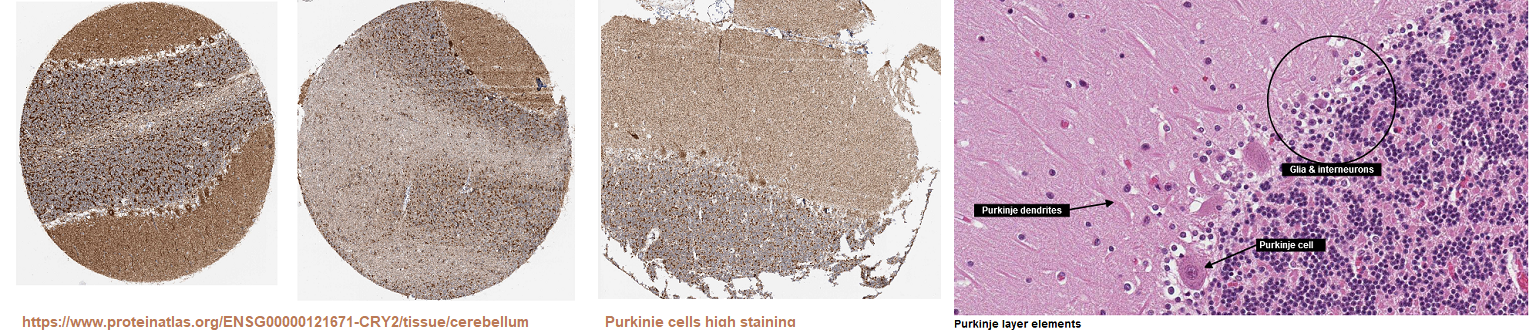
Most of this post is about work by Dr Rachel Sherrrard’s group at Sorbonne Université in Paris France and collaborators from around the world. The featured image is from Protein Atlas showing Cry2 staining in the cerebellum. The very obviously striated staining for Cry2 in the cerebellum and long with biochemical proof of Cry2 involvement…
-
NeuroEM for Alzheimer’s
This post explores a “mechanistic” mouse study of NeuroEM’s device for treating Alzheimer’s Disease. [1] It should be noted that the Assisi radio frequency PEMF device was designed to target the Ca2+ calmodulin interaction. The Neuro EM device appears to target complex IV of the mitochondrial electron transport chain. A diurnal component of very…
-
Cryptochrome and Red Biophotons
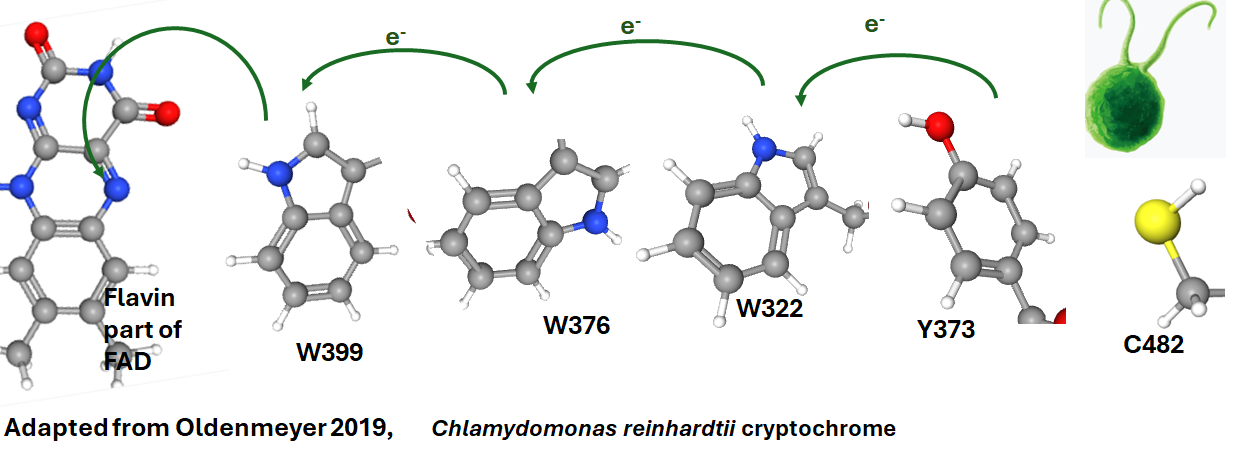
The goal of this post was to address the issue of biophotons as they relate to the game changing PEMF company QuantumTx. It is becoming evident that light absorbing cryptochromes play an important role in this therapy. Indeed, cryptochromes are also magnetic field sensors. The concept of biophotons has been proposed as a PEMF…
-

HTRA1 & PEMF
This post examines Tai 2024, a QuantumTx group publication that is a follow up to a previous study showing that their brand of PEMF elicits the release of the High Temperature Requirement A1 serine protease that might mitigate the progression of cancer. Both myoblasts and myotubules were tested in this study. The direction of…